

Technical Specifications
|
Item |
Detail |
|
Repair scope |
One identified excavator component |
|
Applications |
Cylinder, pump, valve, rotary joint, or another hydraulic assembly |
|
Seal types |
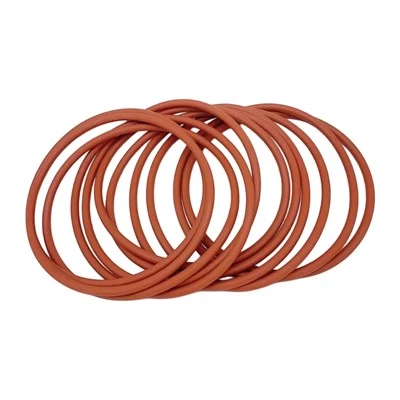
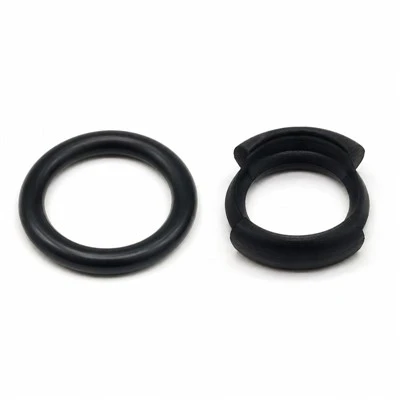
Lip seals, O-rings, wipers, backup rings, wear rings, and static seals |
|
Materials |
According to the confirmed positions |
|
Reference |
Assembly number, drawing, removed seals, or parts list |


Built around the component being repaired
A workshop rarely opens every hydraulic unit at the same time. One job may be an arm cylinder, another a main pump, and the next a rotary joint. The machine model is the same; the seals on the bench are not.
A seal kit excavator order therefore needs a clear boundary. The kit follows the component already removed from the machine. It covers the working profiles, static rings, wipers, and support pieces required by that repair, without adding parts for assemblies that will remain closed.
Small rings are easier to place with the wrong job when several units are open together. A component-based kit keeps the seals with the gland, piston, housing, shaft, or cover from which they came.


The repair scope decides the contents
Old seals do not arrive in catalogue condition. A lip may be cut during removal, a backup ring may hold the shape of its groove, and a small O-ring may still be stuck to a metal face. We look at the removed group as a whole instead of treating the largest profile as the entire repair.
The finished seal kit excavator follows that scope. For a cylinder job, it stays with the cylinder positions. For a pump or joint, the contents change with that assembly. The repair center receives a kit that can go to the correct bench rather than a mixed bag that must be divided again.


Quote Notes
Send the excavator model, repaired component, assembly or part number, drawing or removed seal group, material requirement, quantity per set, total quantity, and buyer reference.
Hot Tags: seal kit excavator, China seal kit excavator manufacturers, suppliers, factory