
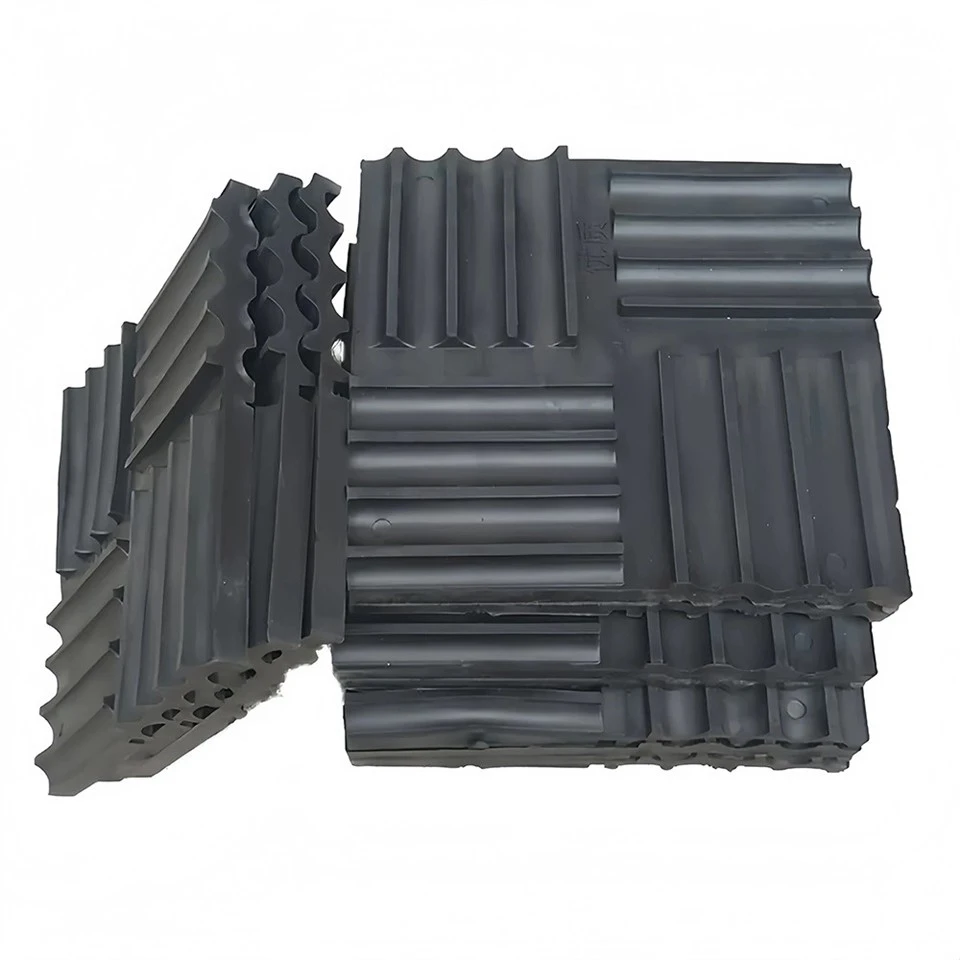
Technical Specifications
|
Pump pad point |
Production reference |
|
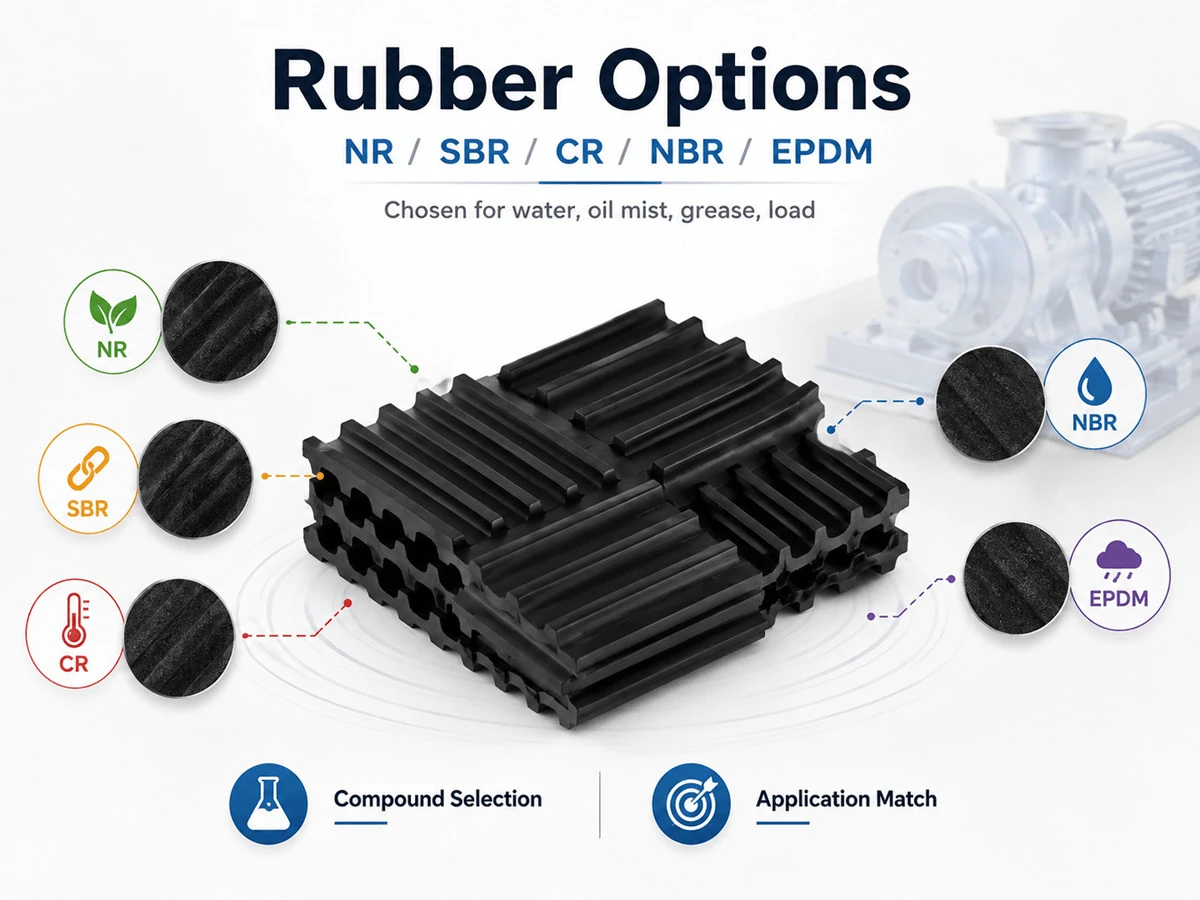
Rubber choice |
NR, SBR, CR, NBR, or EPDM selected from water, oil mist, grease, floor condition, and load. |
|
Pad form |
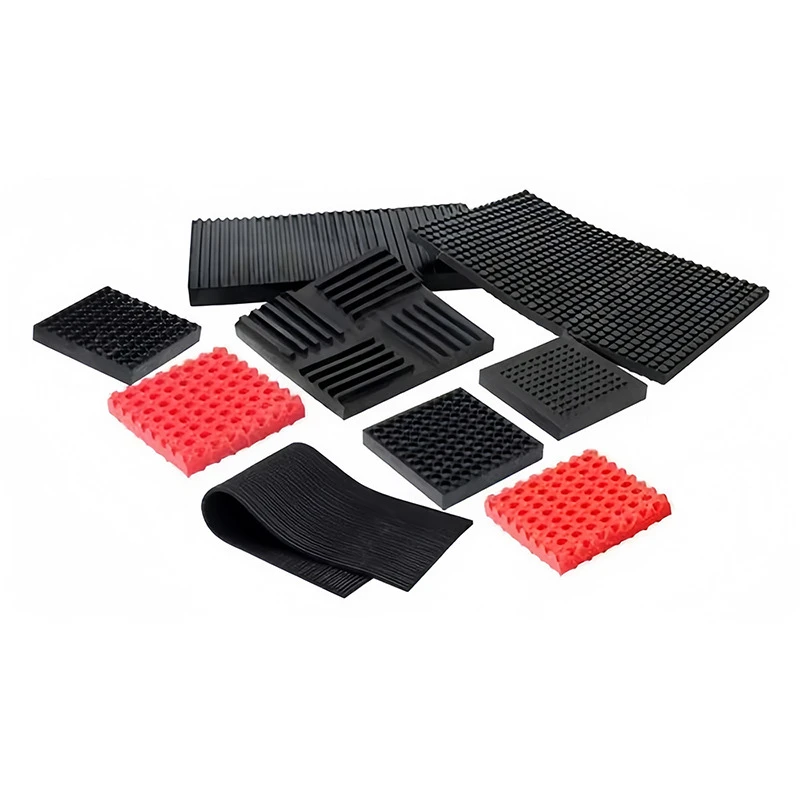
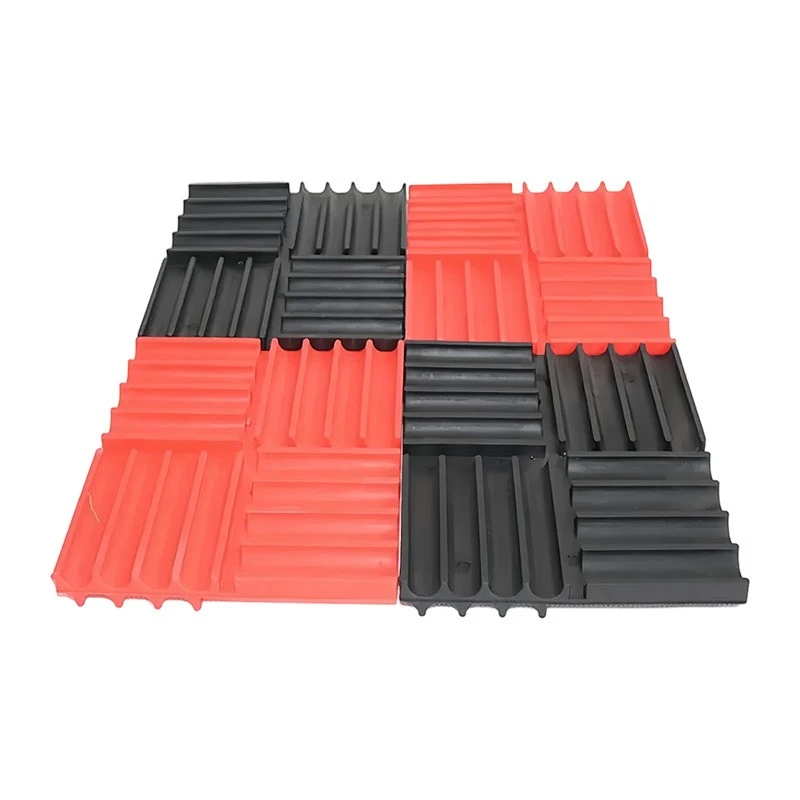
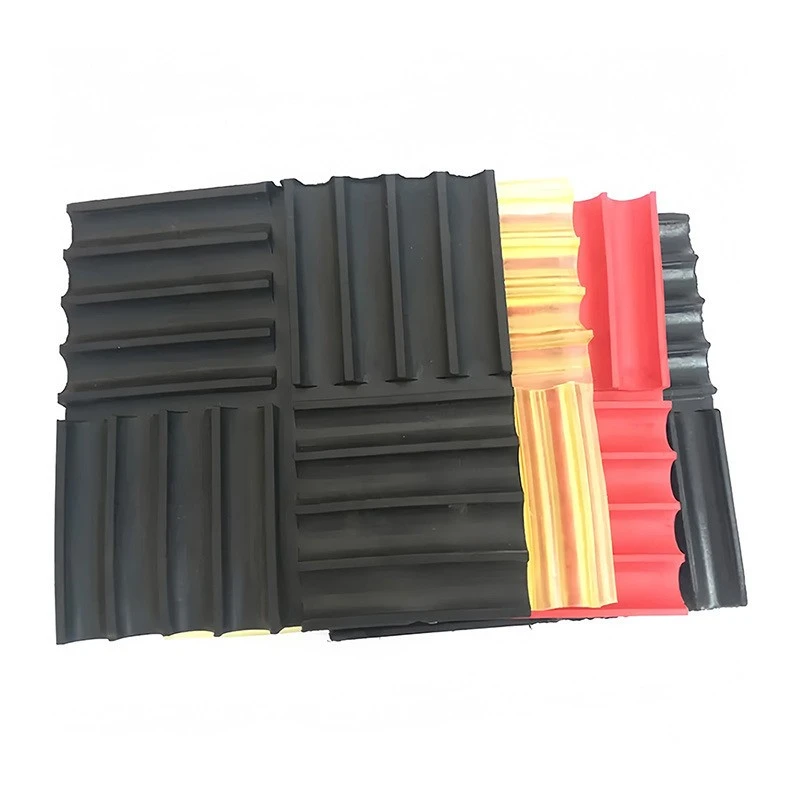
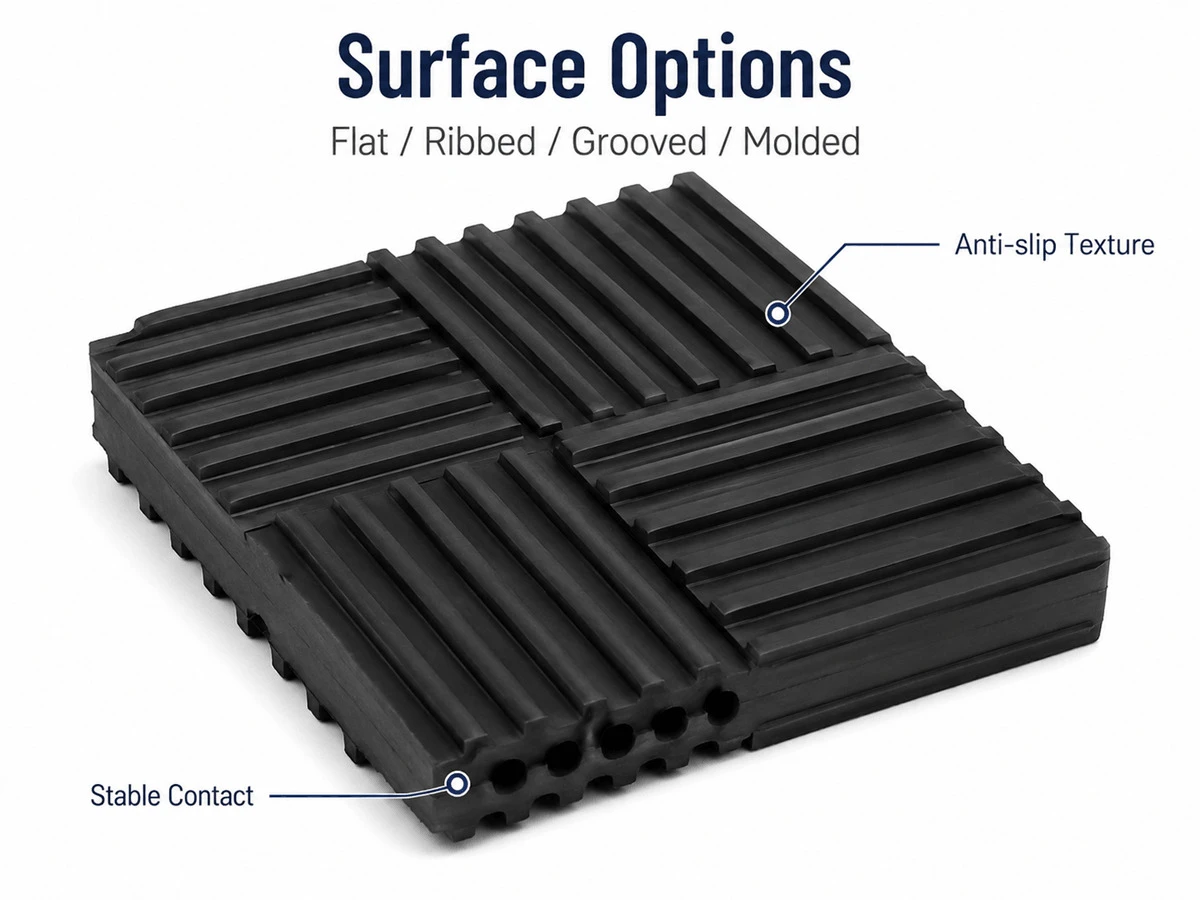
Flat cut pad, ribbed face, grooved face, punched hole, or molded base pad. |
|
Main size data |
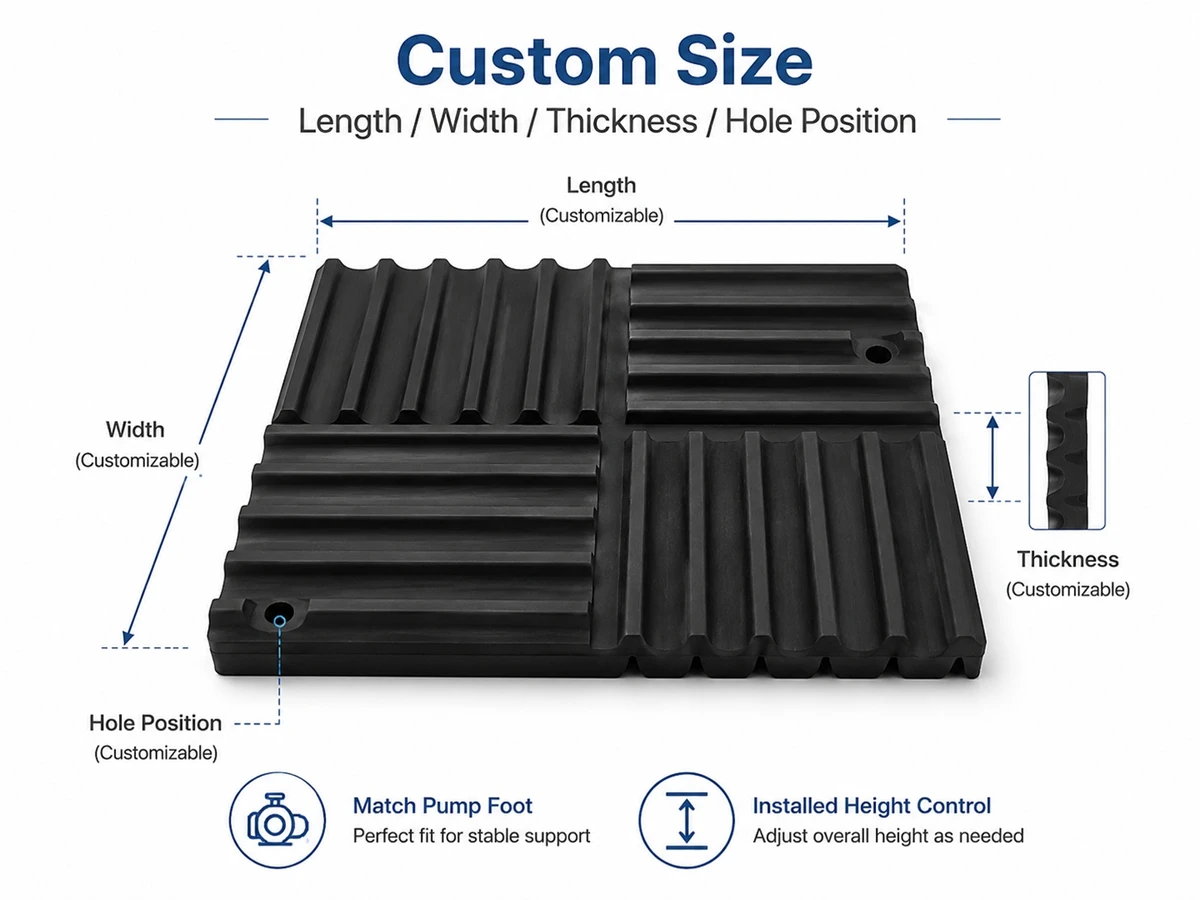
Length, width, thickness, hole position, foot contact area, and installed height. |
|
Use limit |
Not for lifting support, pipe alignment correction, structural anchoring, or direct high-temperature contact. |

A pump pad works with the pipe, not apart from it
A pump base is usually tied to inlet and outlet pipes. After the rubber takes load, even a small height change can show up at the flange, hose bend, or skid frame corner. The pad itself may look normal, but the pipe joint can start carrying stress.
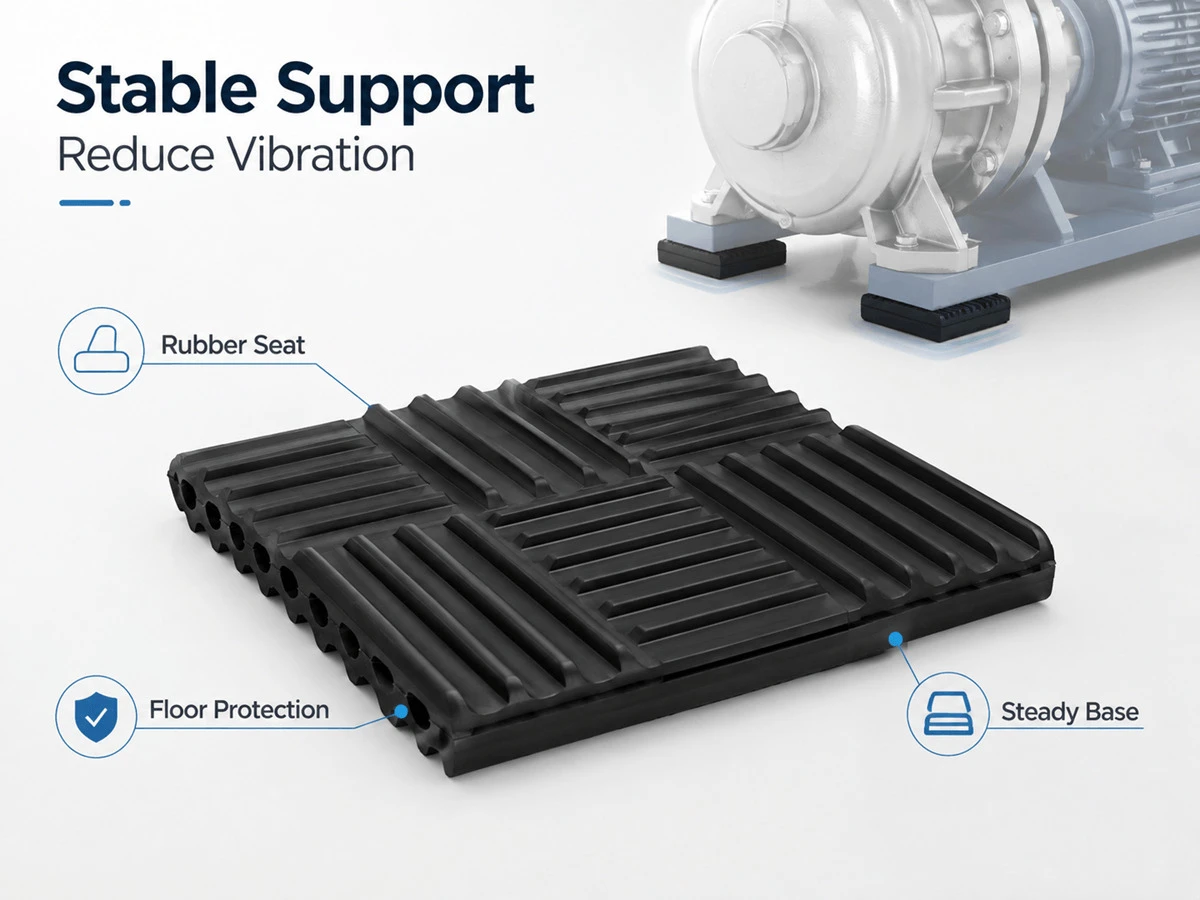
For vibration isolation pads for pumps, the useful result is a steady pump base position. The pad should support the foot without letting one side settle too much. This is why floor contact, pad thickness, and the pump support layout are treated together.
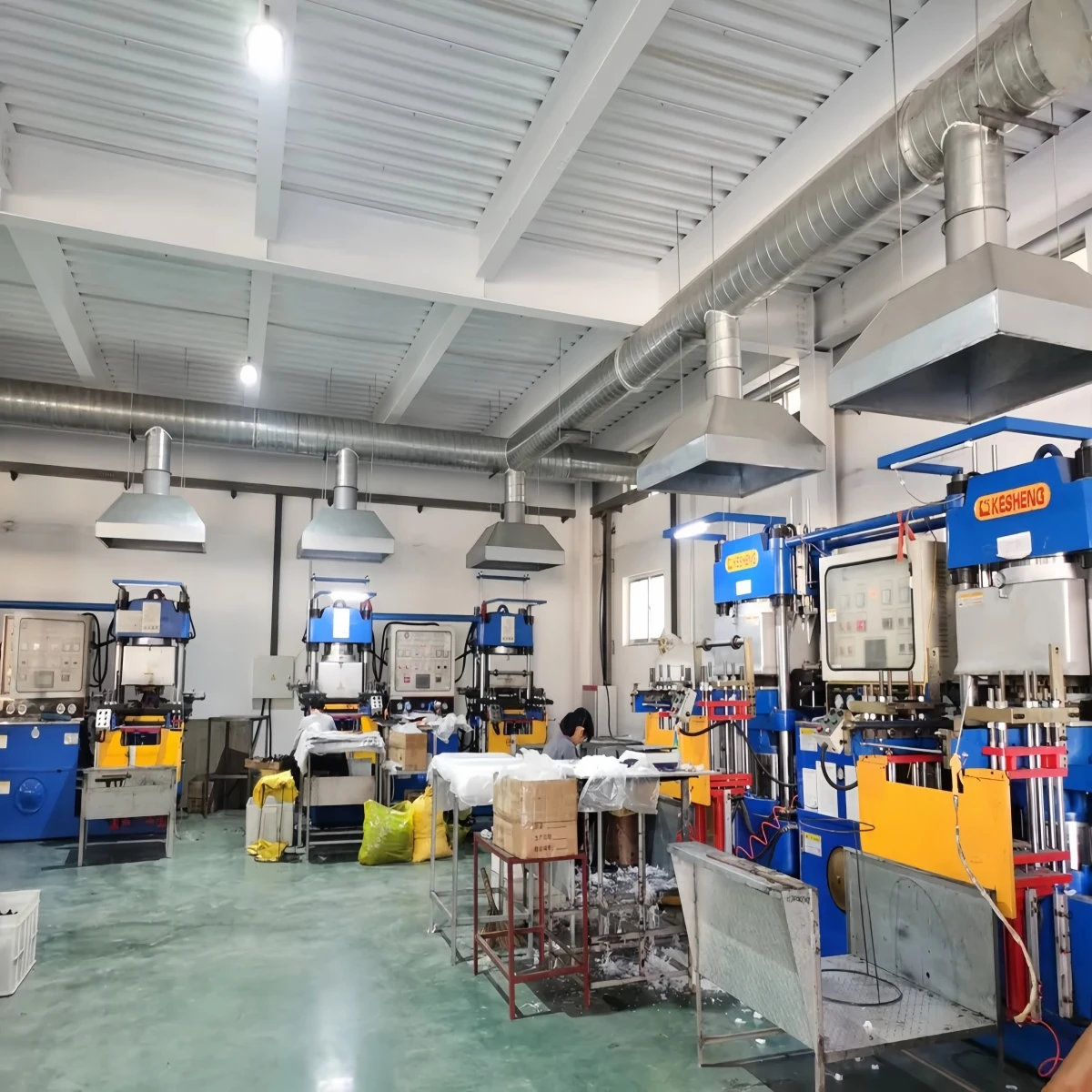
Pump rooms leave marks on the rubber
A used pad often shows what happened under the pump. One corner may be darker from damp concrete. A rib line may be polished where the foot carried most of the load. A stretched hole can show that the bolt pulled the pad during tightening.
These marks are not just failure signs. They help decide whether the next rubber pump pad should keep the same thickness, use a firmer compound, change the hole position, or move from a simple cut pad to a molded shape.
Water, grease, and position are different problems
A clean water pump on a wet floor does not need the same rubber thinking as a pump skid near grease or oil mist. EPDM may be reviewed when water and outdoor air are the main concern. NBR is more relevant around mineral oil or grease. CR can suit moderate oil mist and general aging.
For repeat vibration isolation pads for pumps, the order record can keep pad thickness, hardness, rubber grade, support position, and buyer part reference. That helps the next set match the pump base instead of becoming a generic black pad.
Quote Notes
Useful order data includes pump weight, support point quantity, pad size, thickness, pump foot size, installed height, floor condition, water or oil exposure, pipe layout, drawing, old sample, quantity, and packing method.
Hot Tags: vibration isolation pads for pumps, China vibration isolation pads for pumps manufacturers, suppliers, factory