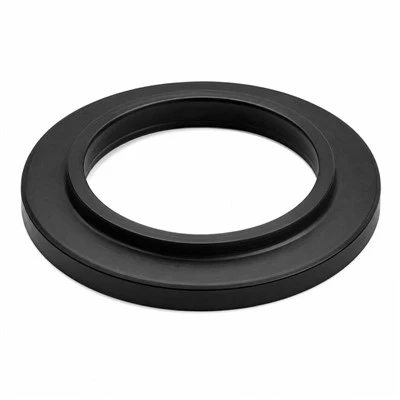


Technical Specifications
|
Item |
Factory Specification |
|
Product Name |
hydraulic seal ring |
|
Category |
Hydraulic rubber seal / static oil-side sealing ring |
|
Rubber Options |
NBR, FKM, HNBR, EPDM, silicone, selected by working fluid |
|
Common Compound |
NBR for mineral hydraulic oil circuits |
|
Hardness Range |
70–90 Shore A |
|
Common Hardness |
70 Shore A for general static grooves; 85–90 Shore A reviewed when extrusion risk is higher |
|
Temperature Range |
NBR around -30°C to +100°C; FKM around -20°C to +200°C, compound dependent |
|
Size Route |
Metric size, AS568 reference, DIN/JIS reference, equipment drawing, or sample |
|
Seal Position |
Static oil port, plug seal, valve block seal, fitting seal, pump housing seal after drawing review |
|
Molding Method |
Compression molding for most sizes; injection molding reviewed by volume |
|
MOQ |
Usually from 1,000 pcs per size for standard molds; custom sizes quoted by drawing |


Start from the Hydraulic Position
A hydraulic seal ring should be quoted from the sealing position, not from rubber size alone. Oil ports, valve blocks, pump housings, plugs, adapters, and maintenance kits may all use rubber rings, but pressure load, groove depth, and extrusion clearance can be different.
For this reason, VANSER asks for more than outside diameter. ID, cross section or section height, groove drawing, working oil, pressure, and installation position help us decide whether the seal should stay in a normal static O ring direction or move toward a harder compound, backup ring, or another seal profile.


Reading the Old Seal Before Reorder
Many hydraulic repair orders start from a failed part. A flattened ring may point to compression set or groove squeeze. A cut ring may come from a sharp edge, wrong installation, or excessive section height. A swollen ring usually means the fluid and rubber did not match. A hard and cracked ring often points to heat aging or oil additive attack.
These clues help the buyer avoid repeating the same failure. VANSER can measure the old part first, but the working oil, pressure, and groove condition still need confirmation before production.

Pressure, Hardness, and Backup Ring Review
For high-pressure oil lines, hardness alone is not a full solution. If the extrusion gap is too large, even a harder rubber ring may be pushed into the clearance. VANSER reviews pressure, clearance, groove depth, and sealing face condition before confirming 85 Shore A or 90 Shore A.
If the application is a moving rod or piston position, please mark it clearly. A general hydraulic rubber ring may not replace a U-cup, rod seal, piston seal, or wiper without profile review.
RFQ Details
Send the hydraulic position, ID × CS or drawing, working oil, pressure, temperature, old failure photo if available, hardness request, and quantity. For maintenance kits, include equipment model, position list, and packing label request. VANSER will check mold status, compound direction, MOQ, and sample need before quotation.
Hot Tags: hydraulic seal ring, China hydraulic seal ring manufacturers, suppliers, factory